INDUSTRIAL DESIGN • MANUFACTURING • BRAND
A duty tool engineered around the Glock
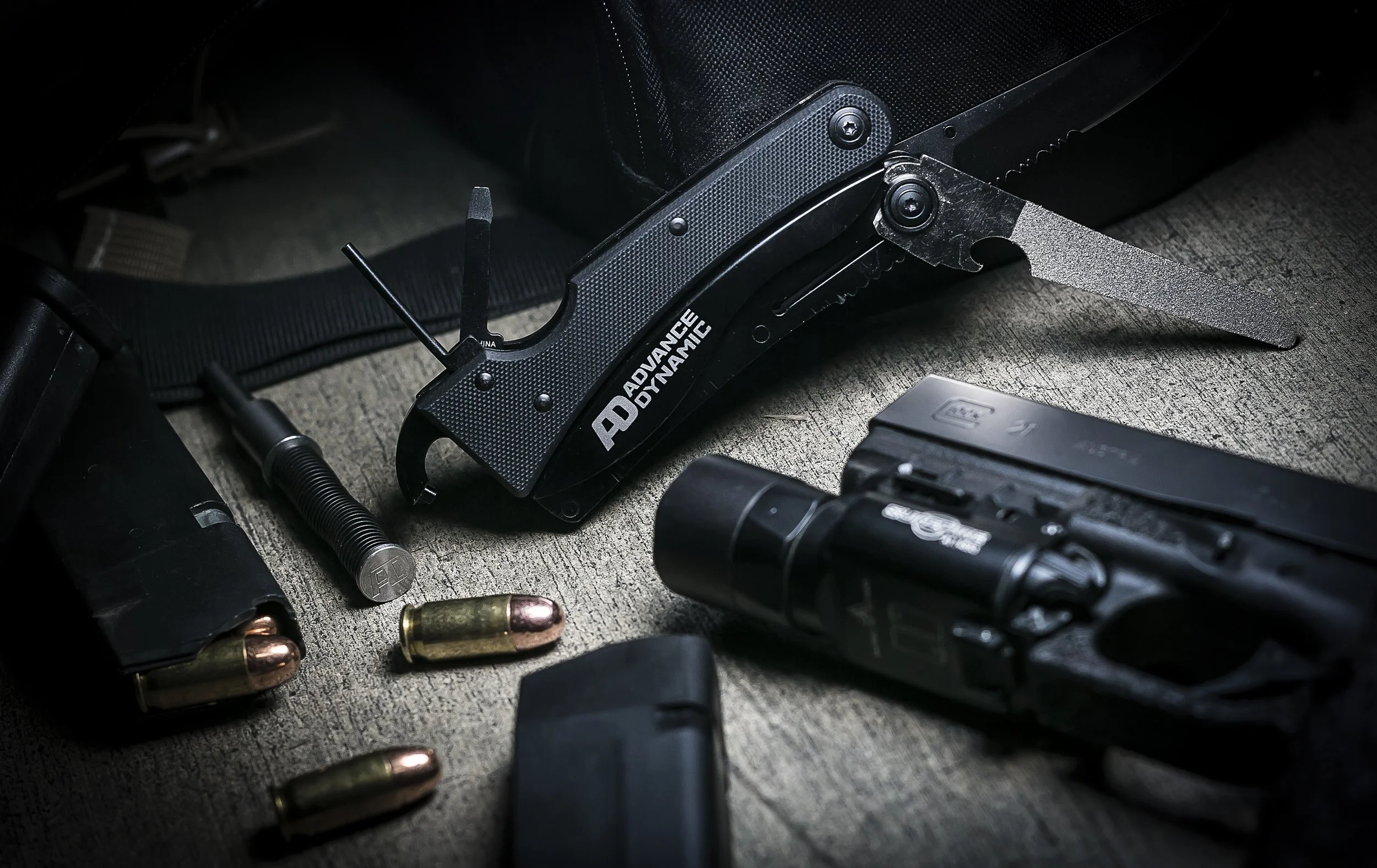
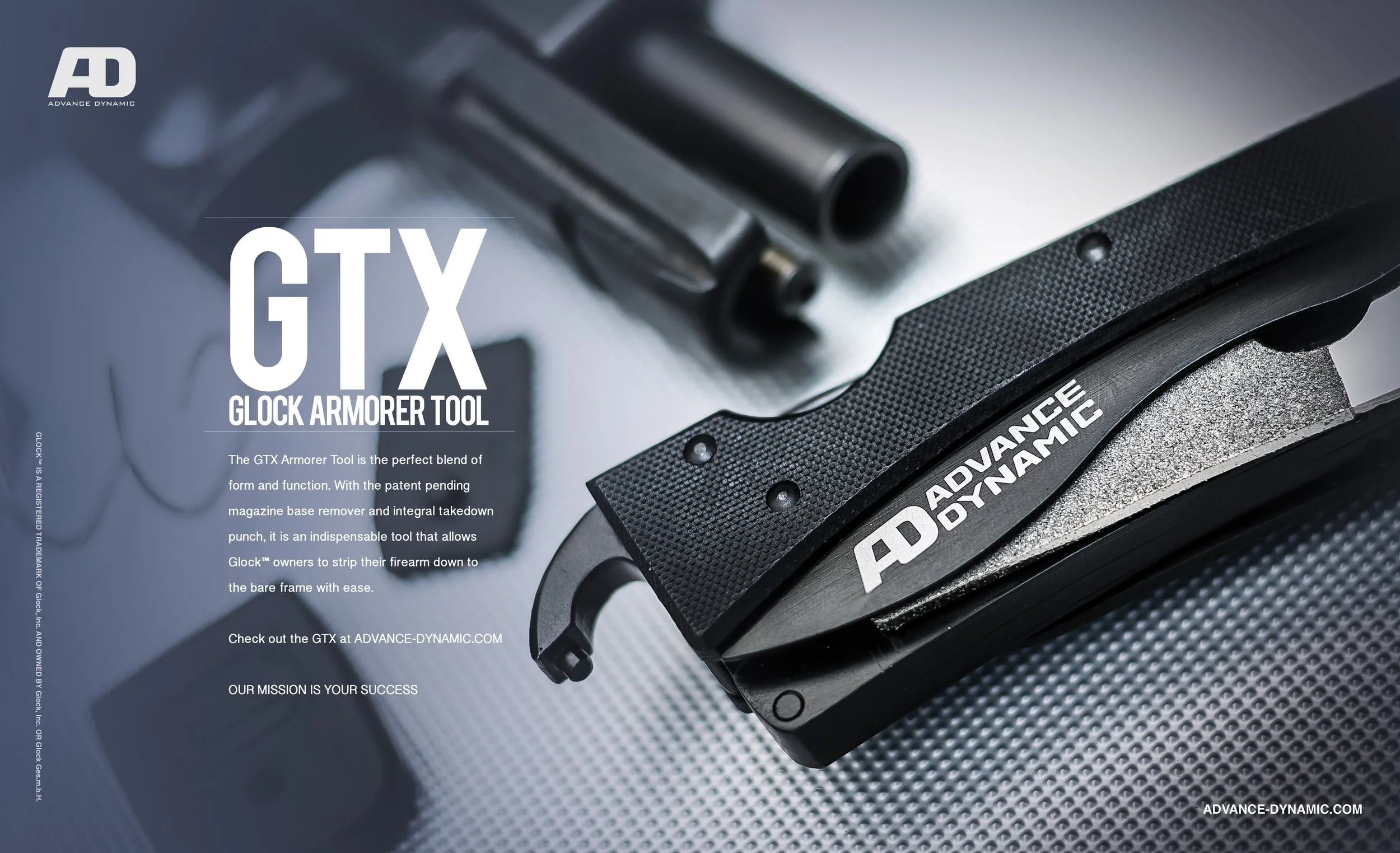
The GTX Glock Armorer Tool is the perfect blend of form and function. Inspired by feedback from LAPD officers, the patent-pending design combines a magazine base remover and an integral takedown punch, two critical tools used by law enforcement and military personnel to maintain their duty sidearms. I led the GTX development process end-to-end: from original sketches to factory first-article prototypes, then the packaging, branding, and go-to-market advertising.
DISCIPLINES
Industrial design / Multi-tool development / Factory management & first-article prototyping / Packaging & collateral / Brand identity / Print advertising
01 FEATURED CASE STUDY
GTX Glock armorer tool
A pocketable multi-tool built to strip, clean, and maintain a Glock down to the bare frame. The patent-pending magazine base remover and integral takedown punch put an armorer's bench in a nylon pouch. No loose pins, no improvised tools, no bench required.

PHASE 01
Duty Magazine Maintenance
Cleaning, malfunction prevention, and the Glock base plate problem. The most overlooked point of failure.
Lives depend on it
Magazine upkeep is not optional maintenance, it directly affects whether a duty weapon fires when needed.
Malfunctions are common
A sizable share of weapon malfunctions trace back to the magazine, which receives far less attention than the pistol itself.
Officers routinely skip it
Many officers skip regular cleanings as too time-consuming, allowing powder and debris buildup to cause avoidable stoppages.
01 — RESEARCH & INTERVIEWS
ON-SITE / INTERVIEWS
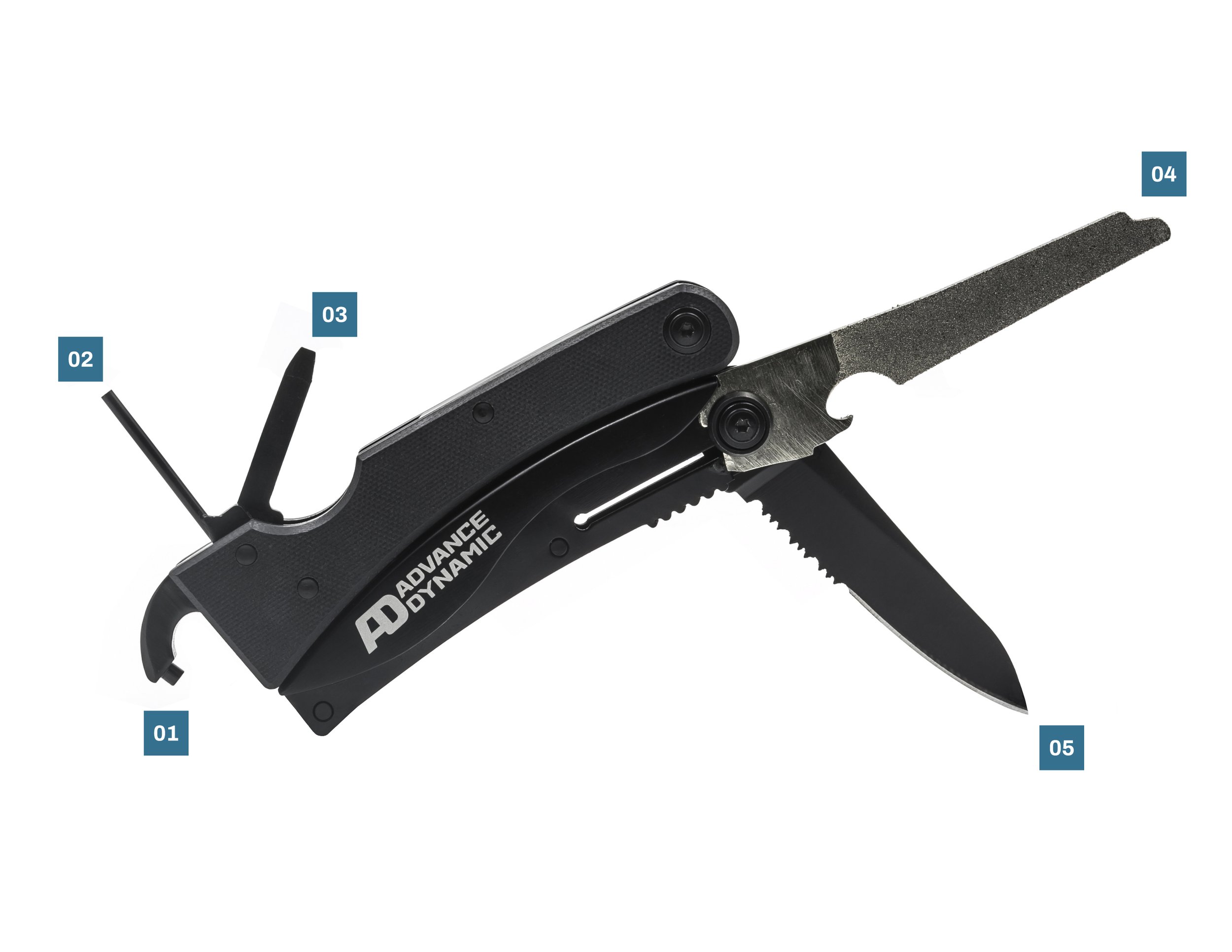
The GTX started from a single insight from LAPD officers: the two operations that slow field maintenance are driving out the takedown pin and pulling a magazine base plate. I integrated both into one tool, an integral steel takedown punch and a patent-pending magazine base remover machined into the tool frame. The tool is wrapped in G10 grips and a black-oxide finish that survives daily carry. Every attachment folds into a footprint that fits in any duty belt pouch.
02 — How a dirty magazine becomes a critical malfunction
Debris entry
Dirt, lint, and unburned powder collect inside the magazine and around the follower during range use and duty carry.
Spring & follower drag
Buildup increases friction on the follower and spring, slowing or binding feeding — a top failure driver.
Feed lip distortion
With wear, contamination accelerates feed-lip spread, producing double feeds and bolt-override stoppages.
Failure at the worst moment
Failure-to-feed and failure-to-eject are the most common stoppages officers face in the field.
03 — WHAT LE trainers and publications recommend

04 — GLOCK base plates: reliable design, difficult disassembly
Glock's retaining-ear/tab design intentionally resists sliding the base plate off, aftermarket makers that copy the tab geometry inherit the same difficulty.
Threads document users "almost having a heart attack" removing factory plates on a Gen 4 G17, damaging retention tabs and inserts in the process.
Forced removal with only a punch or screwdriver "can cause damage to the retaining ears and the baseplate," which can then let the plate slide loose under tension.
CITED USER COMMENTARY
"Almost requires three hands the first few times" — recommends channel-lock pliers wrapped in tape plus a punch to avoid marring the polymer.
A Gen 4 G17 owner describes significant time and effort on factory plates before turning to tools like the GTUL.
Multiple verified buyers independently call removal "difficult"; one writes that a dedicated tool made the job "very easy" compared with prying by hand.
DESIGN takeaways for review


PHASE 02
IDEATION
SKETCHES / MECHANICAL DESIGN
Early sketching played a key role in iterating the GTX's mechanical features. Fold order, pivot placement, and how the punch and base remover nest all shaped the final design before a single prototype was cut.
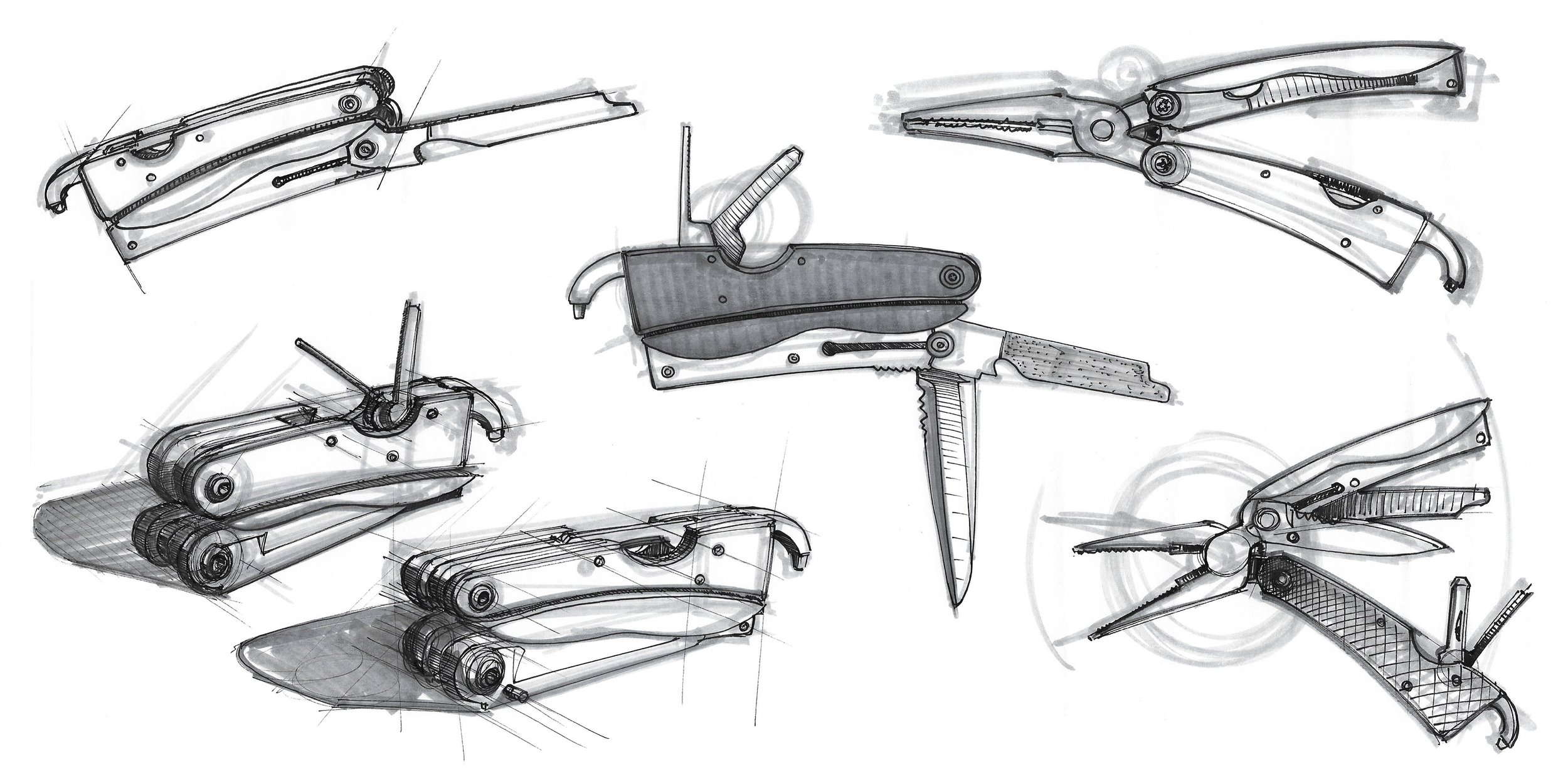
01 — MECHANISM & CONFIGURATION STUDIES
PHASE 03
PROTOTYPES
PROTOTYPING / SAMPLES
I managed the GTX from ideation through factory first-article prototypes, tightening tolerances on the punch and magazine base-remover against real Glock parts at every round. Released via our DTC site and authorized distributors, the GTX drew positive early feedback across law enforcement, military, and competitive-shooting circles, the people who strip and clean a duty gun most.
6 TOOLS
ARMORER & MULTI-TOOL FUNCTIONS IN ONE BODY
STANDARDIZED DESIGN
GTX MULTI-TOOL FITS INTO ANY EXISTING POUCHES
3 SECTORS
DESIGNED FOR LAW ENFORCEMENT, MILITARY, COMPETITION
INDUSTRIAL DESIGN • MANUFACTURING • BRAND
TESTED WITH REAL PARTS
Each prototype round was checked against real firearms during field-strip exercises: does the punch clear the takedown pin cleanly, does the base remover seat and pull a factory base plate without marring it, does the tool fold to a comfortable grip in both configurations. Utility drove every revision.
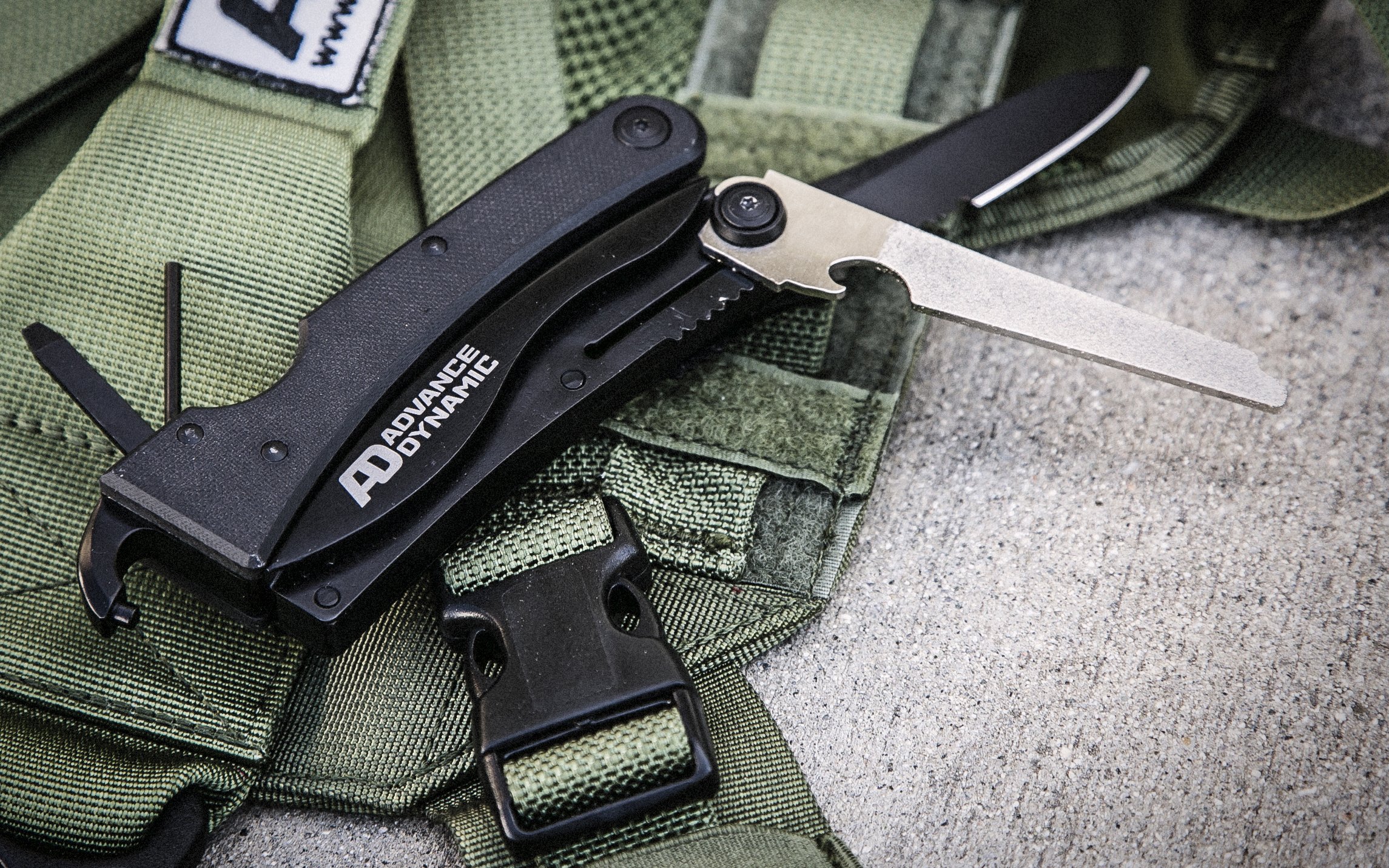
02 — MAG BASE REMOVER TOOL & G10 GRIPS
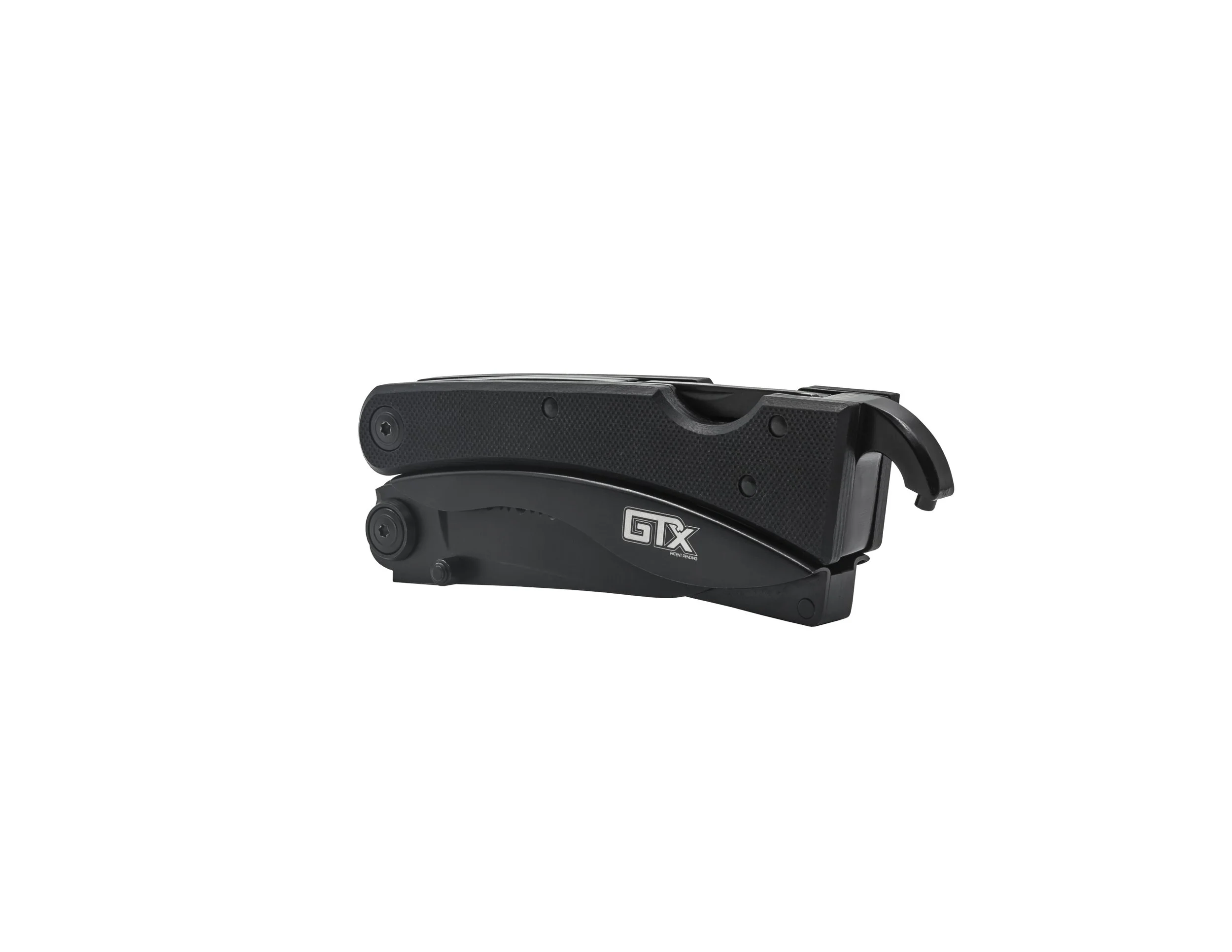
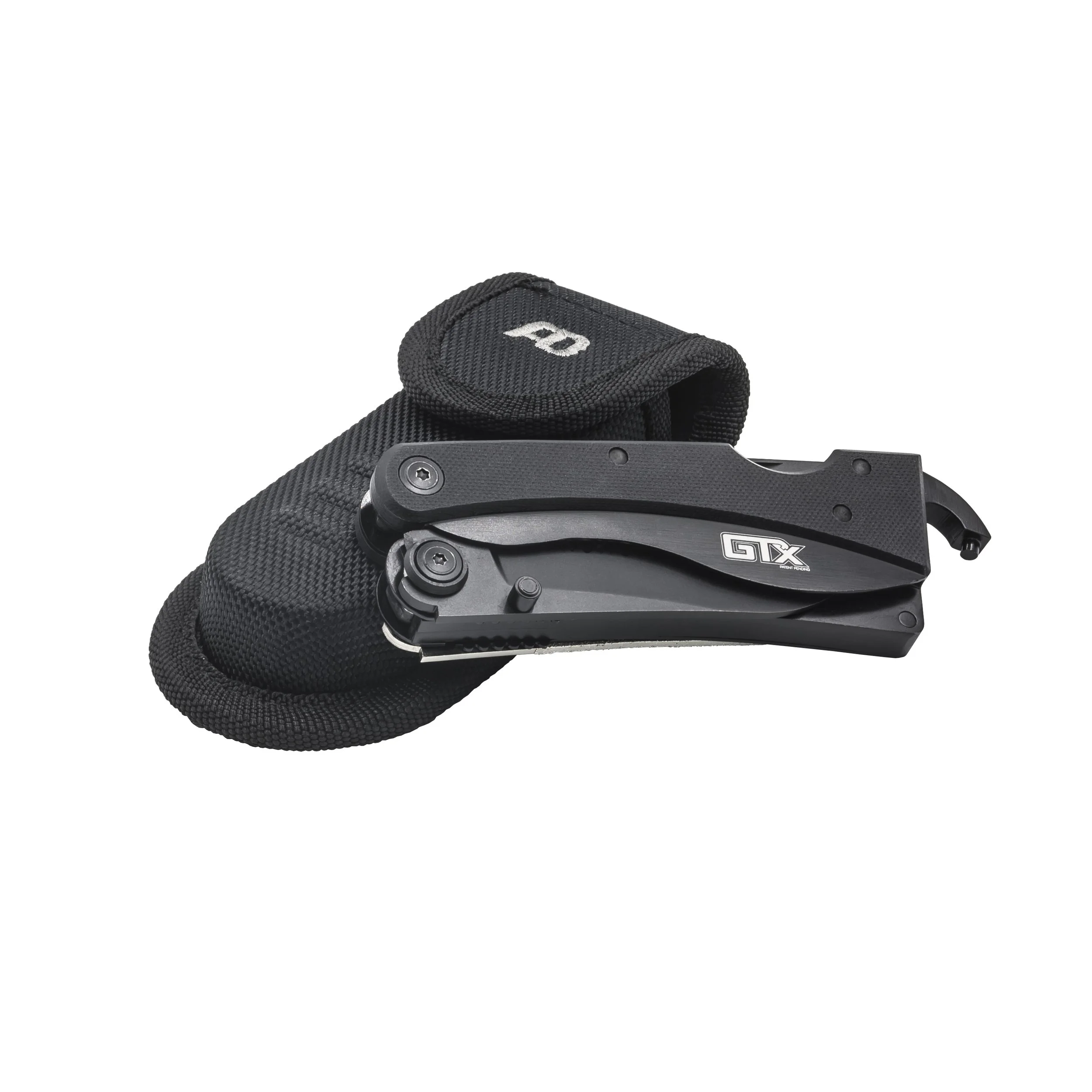
03 — CLOSED / CARRY CONFIGURATION
PHASE 04
FINAL DESIGN
IN-PRODUCTION

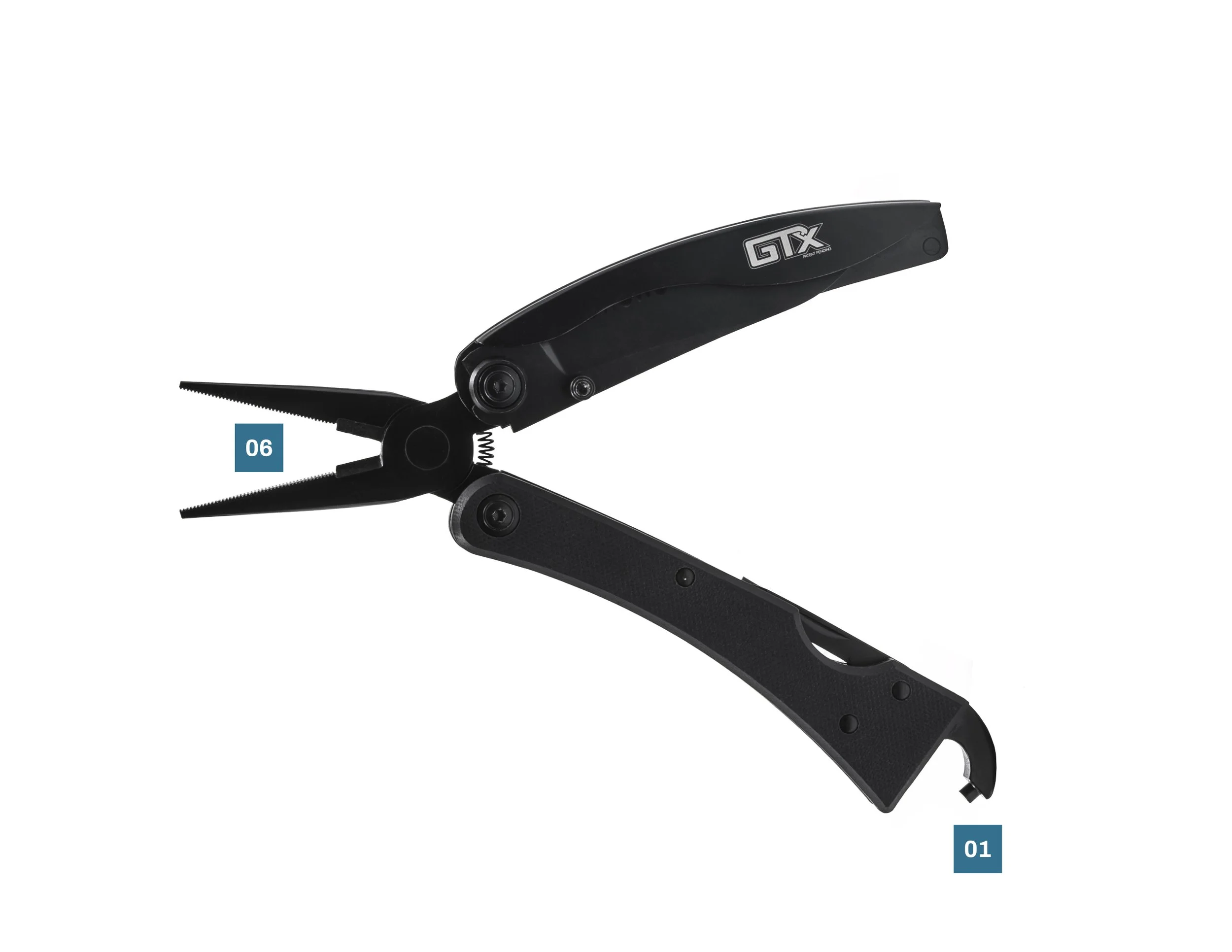
Beyond the armorer functions, the GTX carries a full multi-tool loadout and folds two ways, so the same tool gives you a comfortable grip whether you're in the mag-base/knife configuration or the plier configuration.

PHASE 05
IN THE FIELD
DUTY CARRY / FINAL DESIGN
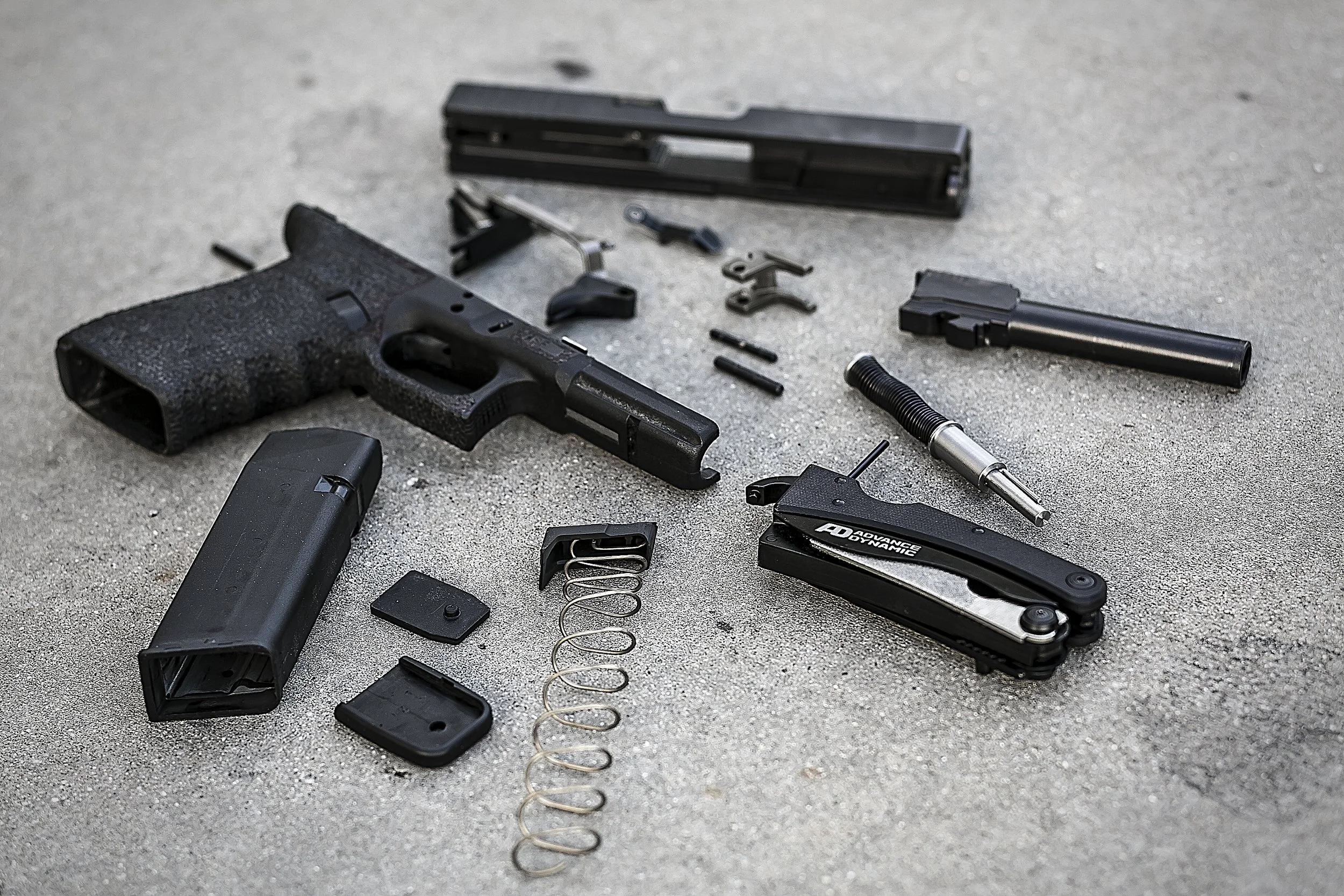
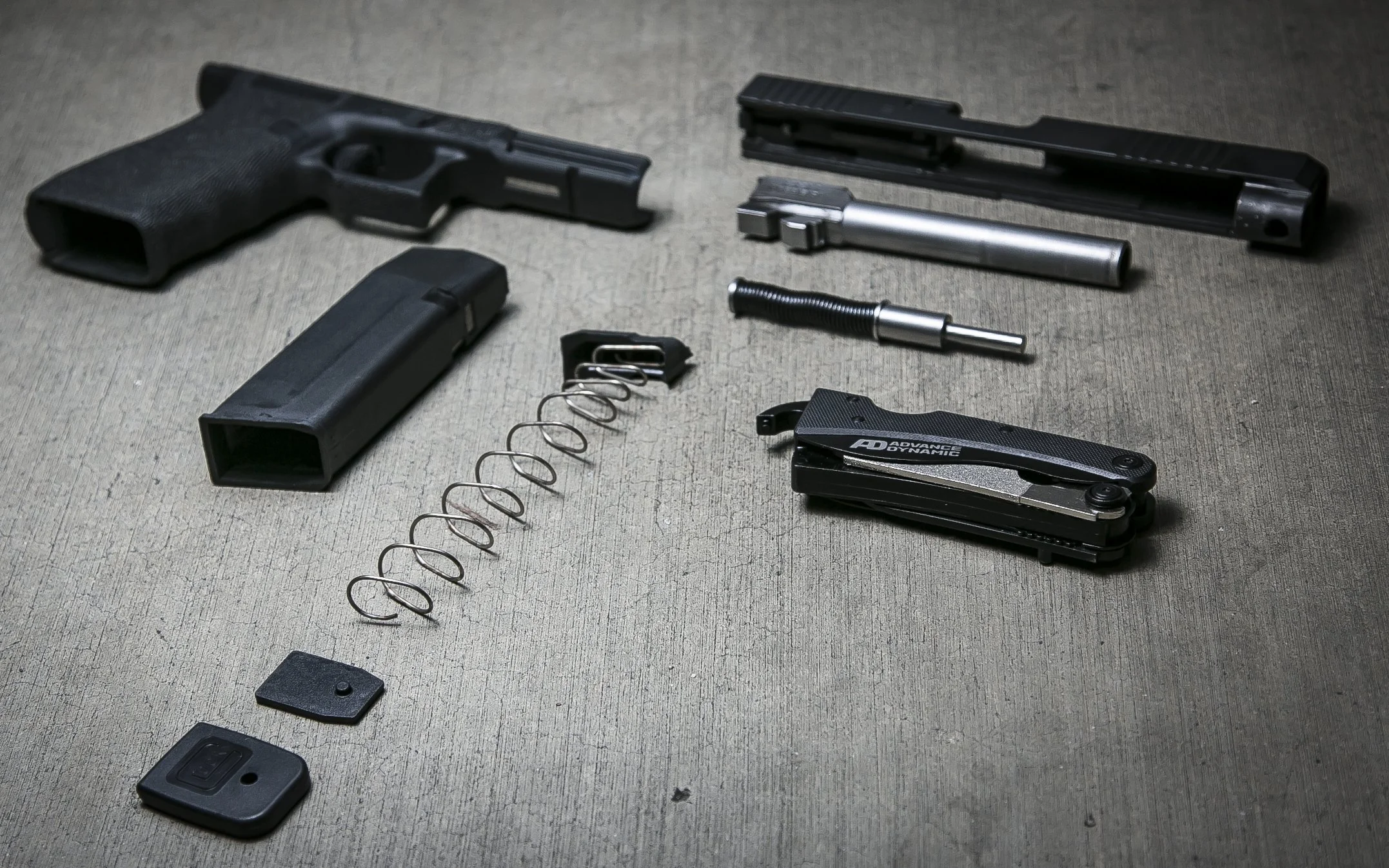
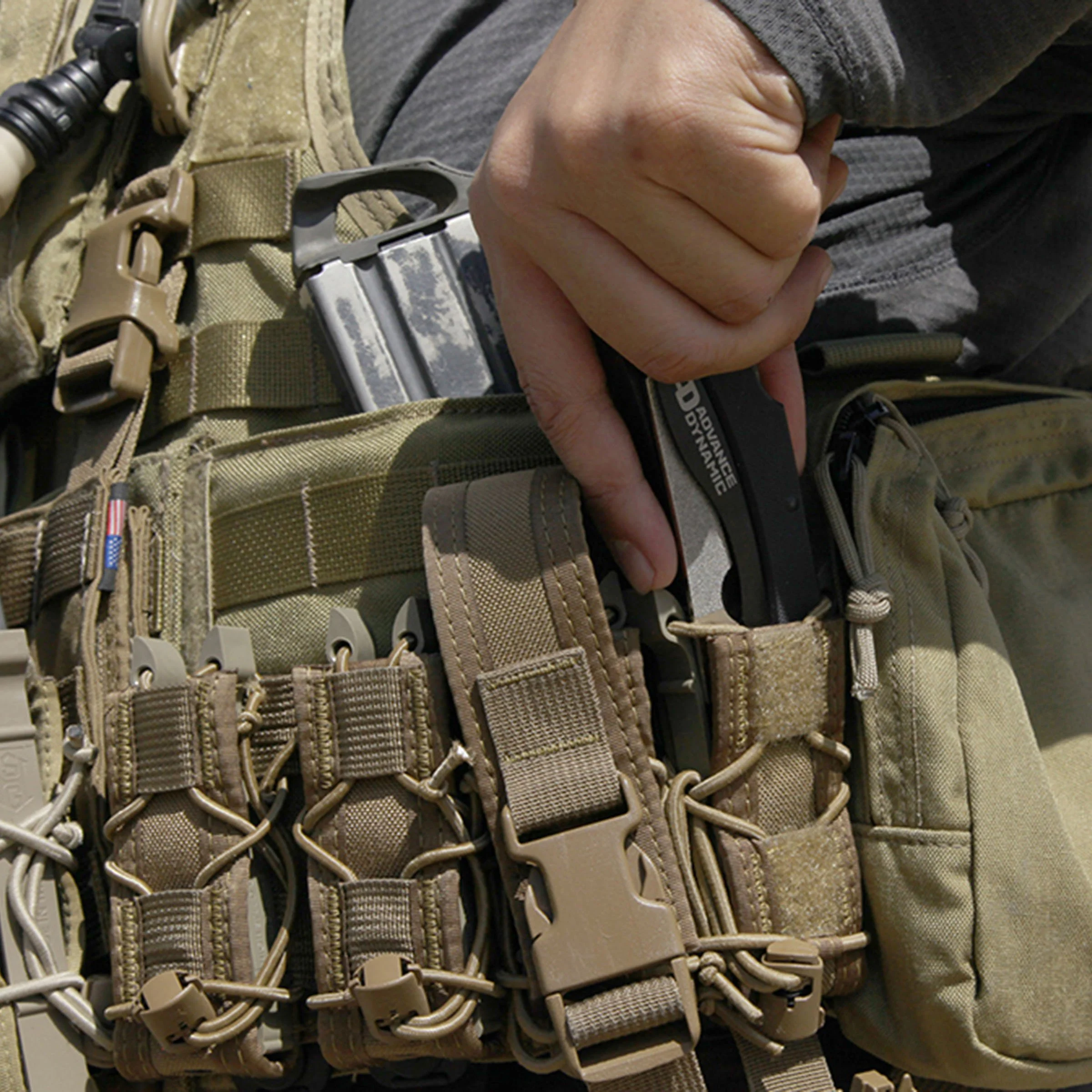
The GTX earns its keep away from the bench. Field-strip a Glock to the bare frame, service the magazine with the base remover, and store in a duty pouch or plate carrier until the next range day. One tool covering the whole maintenance cycle.
01 — FIELD STRIP
02 — TACTICAL DEPLOYMENT
03 — DUTY CARRY
04 — RANGE LOADOUT